Unraveling the Mysteries of GLP-1 and Glucose Metabolism Mechanisms
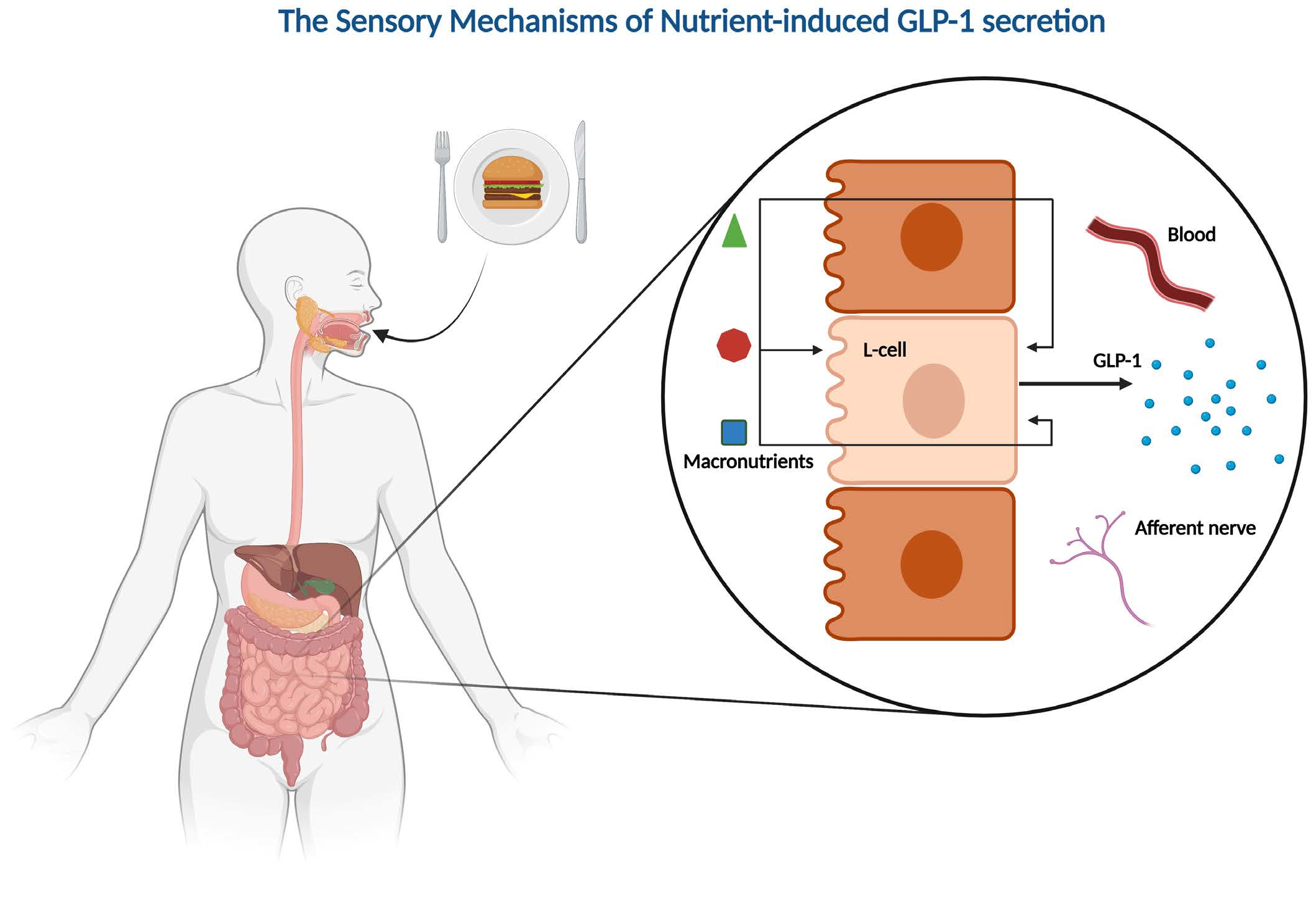
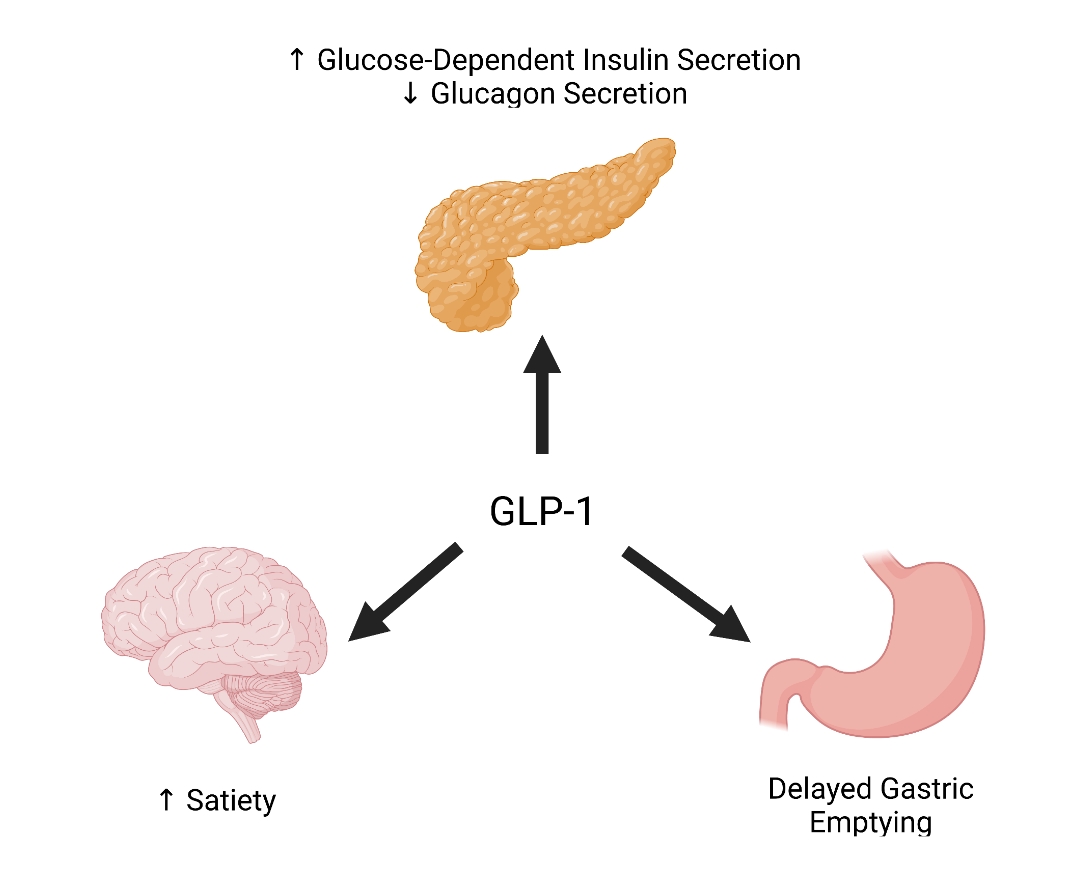
In the intricate dance of glucose metabolism, GLP-1 (Glucagon-like peptide-1) plays a starring role. This hormone, produced in the intestines in response to food intake, has far-reaching effects on glucose homeostasis, insulin secretion, and satiety. As researchers continue to unravel the mechanisms underlying GLP-1's actions, new therapeutic targets emerge for the treatment of chronic diseases such as diabetes and obesity.
The Physiology of GLP-1: A Key Player in Glucose Metabolism
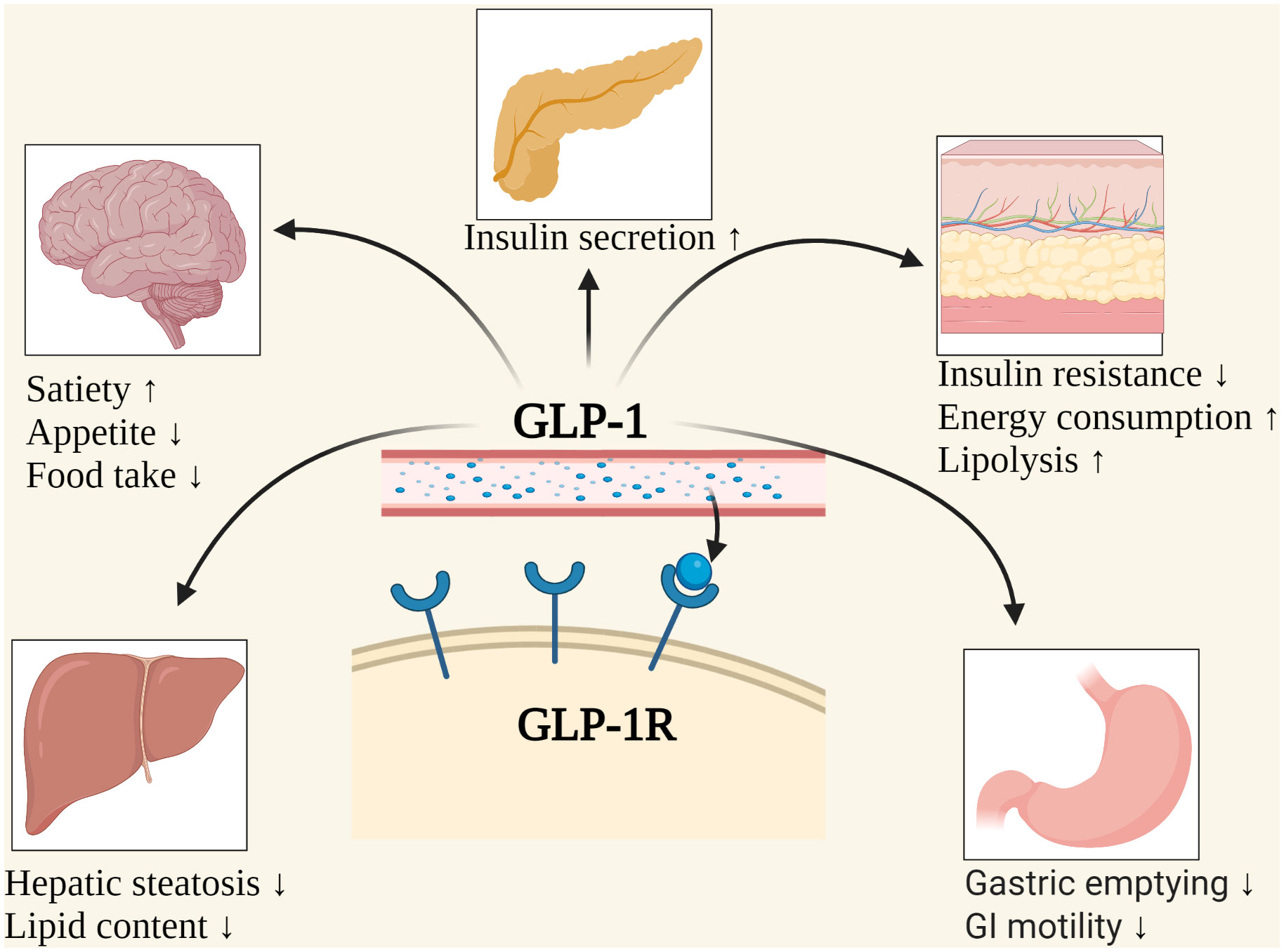
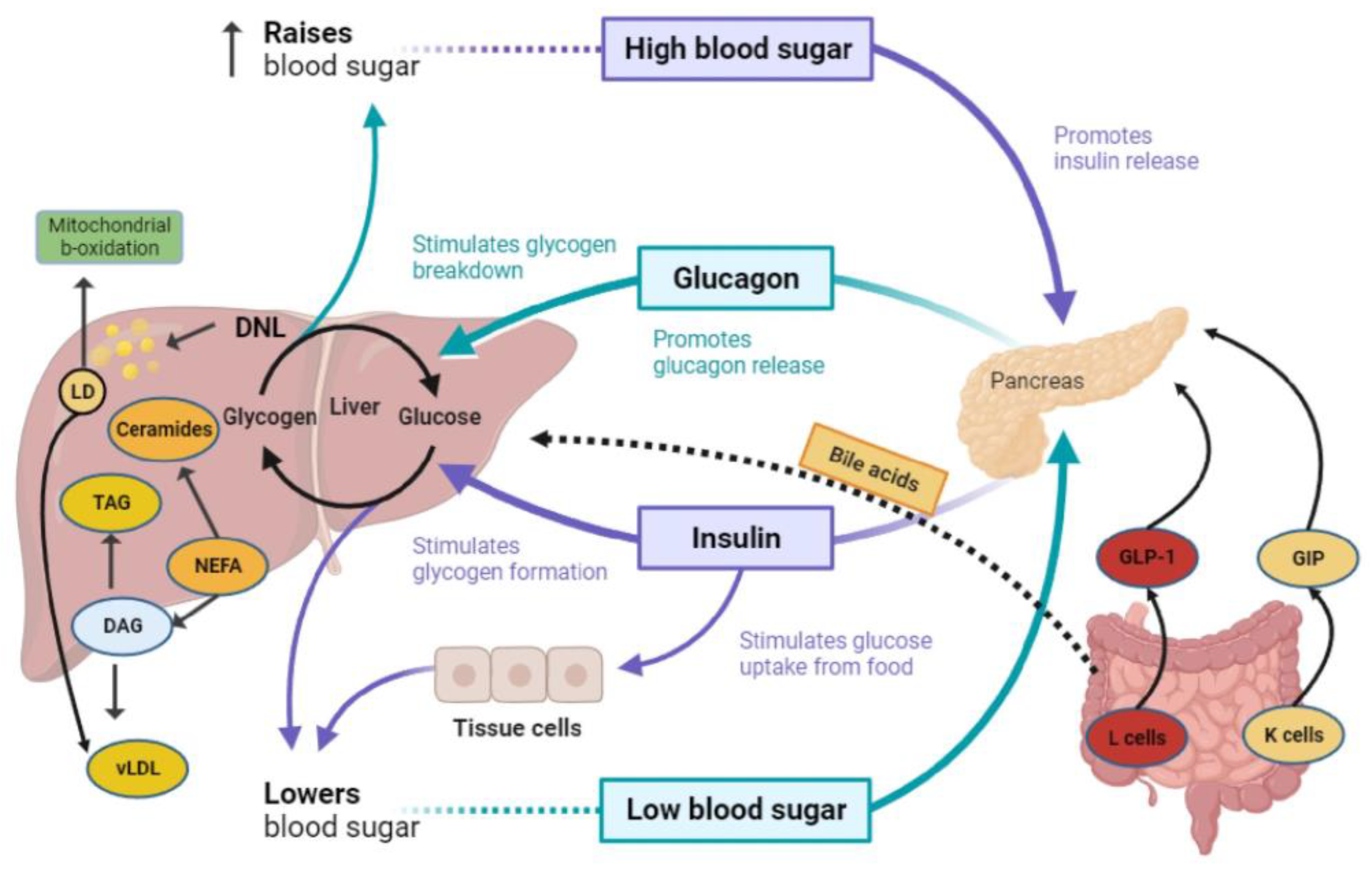
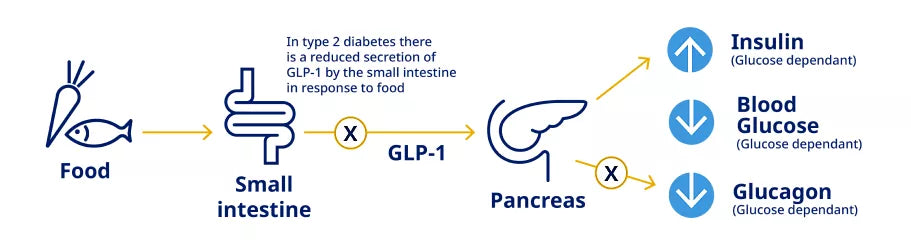
GLP-1 is a peptide hormone that is released in response to nutrient intake, particularly carbohydrates. It acts on the brain and pancreas to exert its effects, regulating insulin secretion and glucose metabolism. GLP-1's primary function is to enhance insulin secretion from pancreatic beta-cells in response to elevated blood glucose levels. This action helps to maintain glucose homeostasis and prevents hyperglycemia.
GLP-1 Receptor Agonists (GLP-1RAs): A New Generation of Therapies
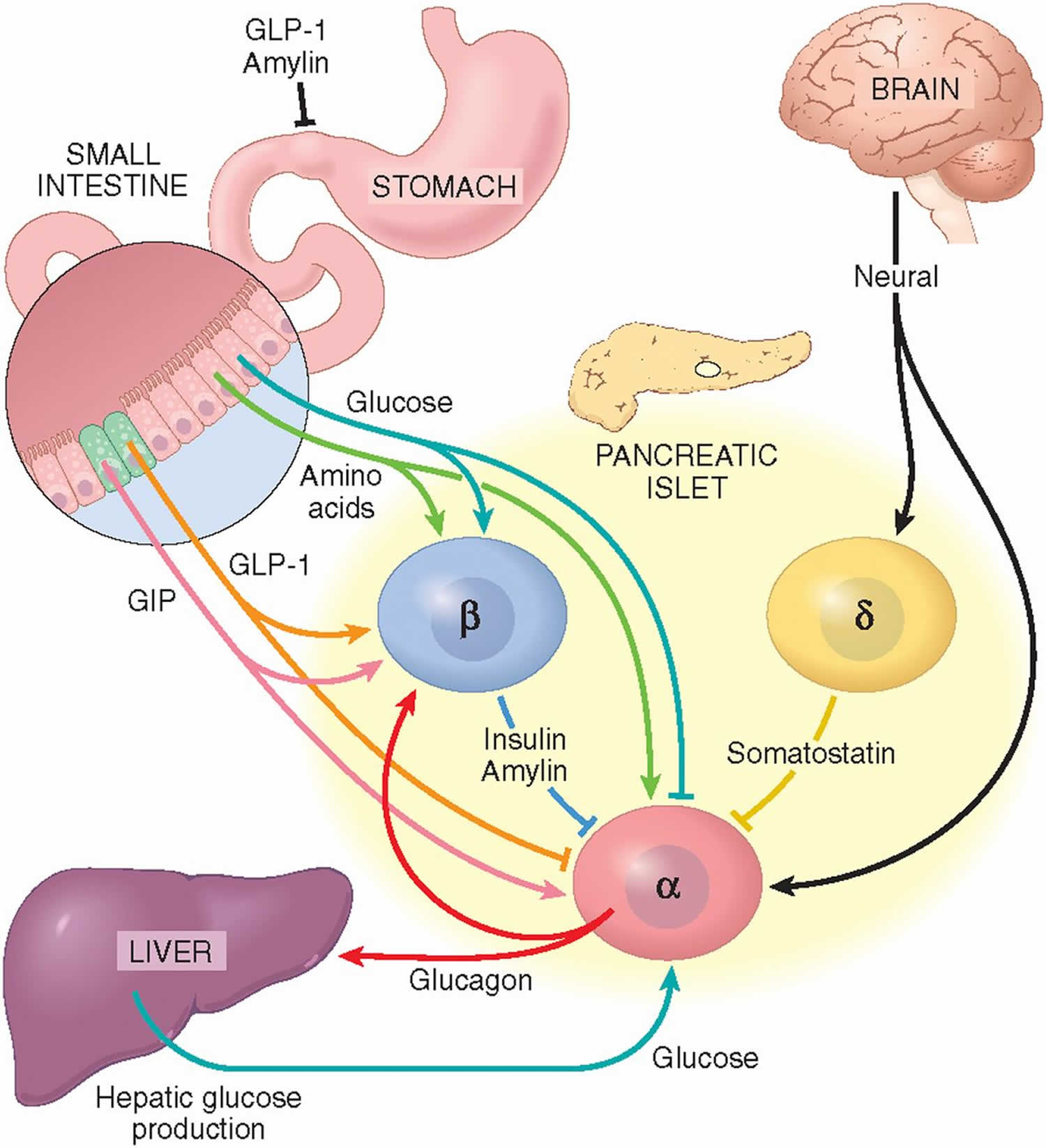
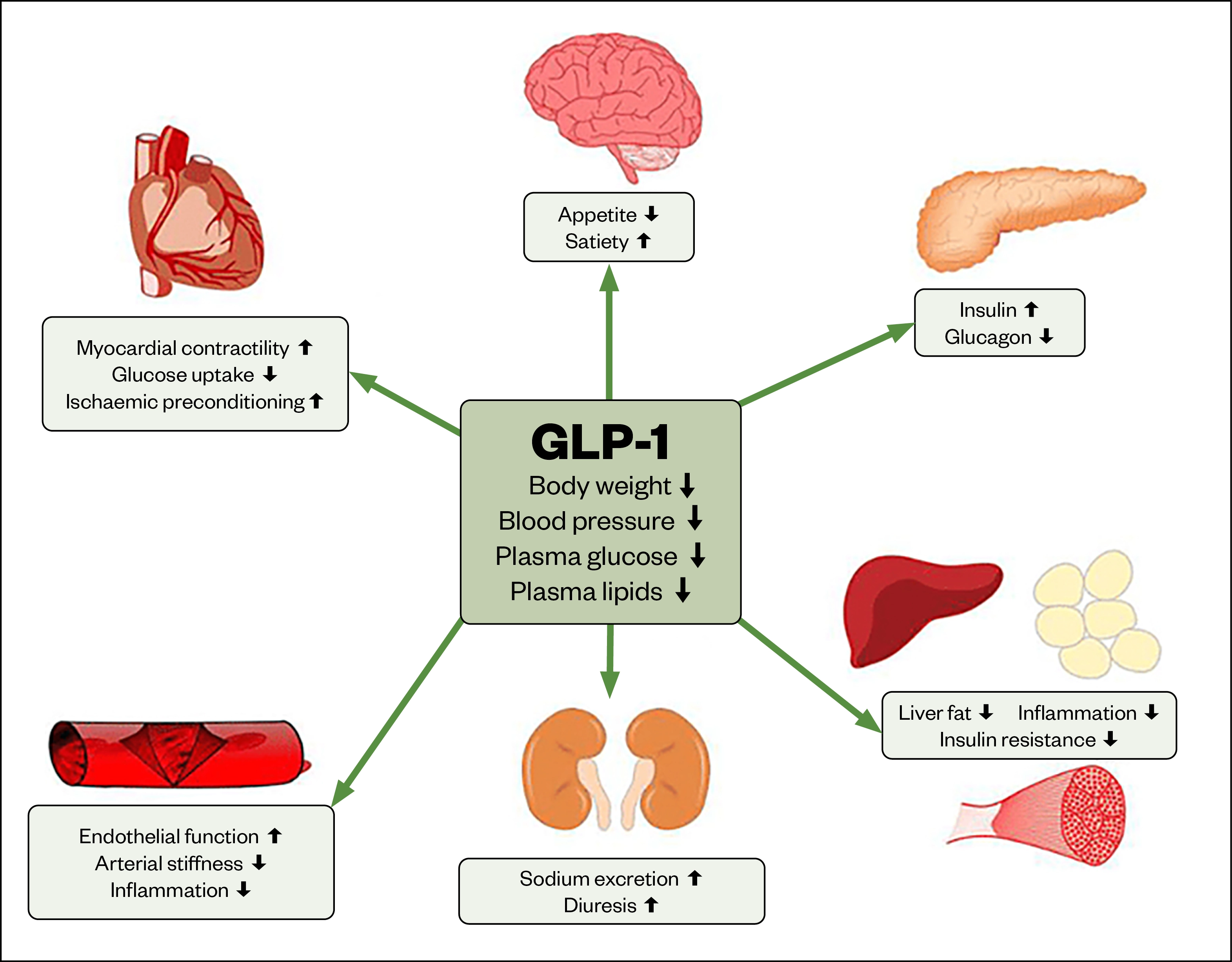
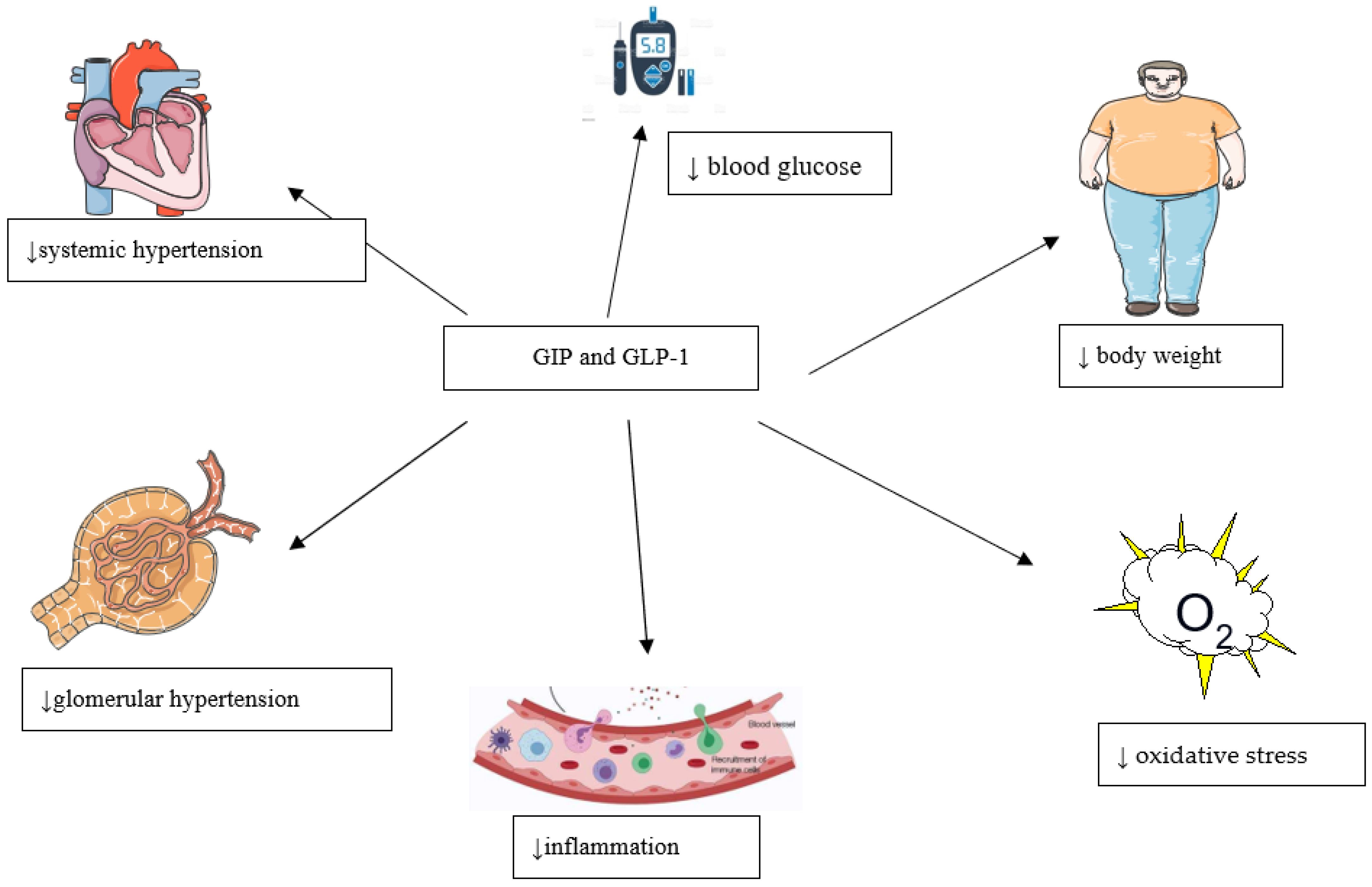
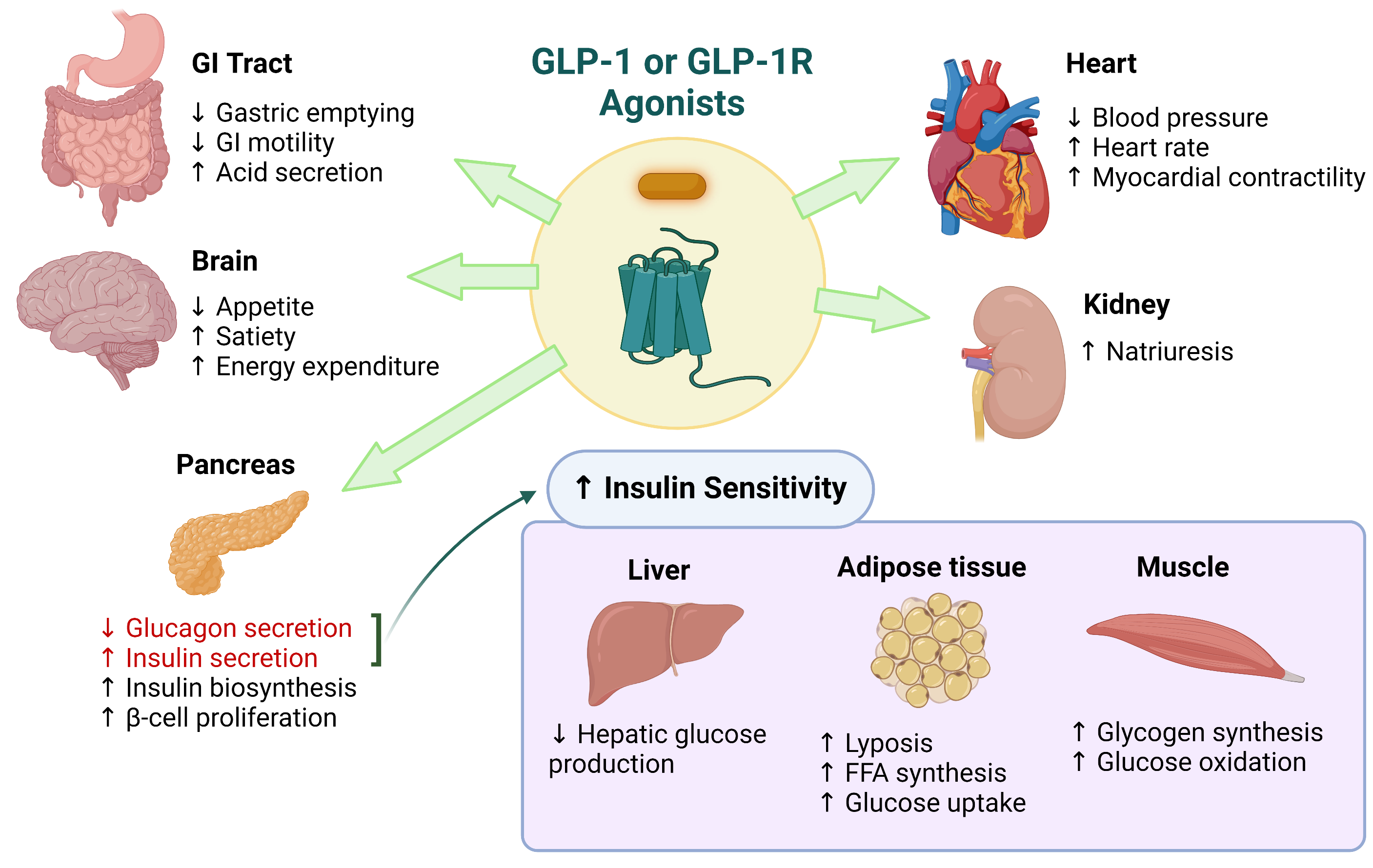
GLP-1RAs are a class of medications that mimic the actions of native GLP-1. By activating the GLP-1 receptor, these medications stimulate insulin secretion, inhibit glucagon release, slow gastric emptying, and reduce appetite. This dual action helps to improve glucose control, reduce body weight, and lower blood pressure, making GLP-1RAs an attractive option for the treatment of type 2 diabetes and obesity.
GLP-1's effects on glycogen metabolism are complex and multifaceted. In the pancreas, GLP-1 enhances insulin secretion and beta-cell function. In the liver, GLP-1 increases glucose storage by stimulating glycogen synthesis. In muscle tissue, GLP-1 promotes glucose uptake by increasing the expression of glucose transporters, such as GLUT4.
Multi-Receptor Agonists: A New Frontier in GLP-1 Therapies
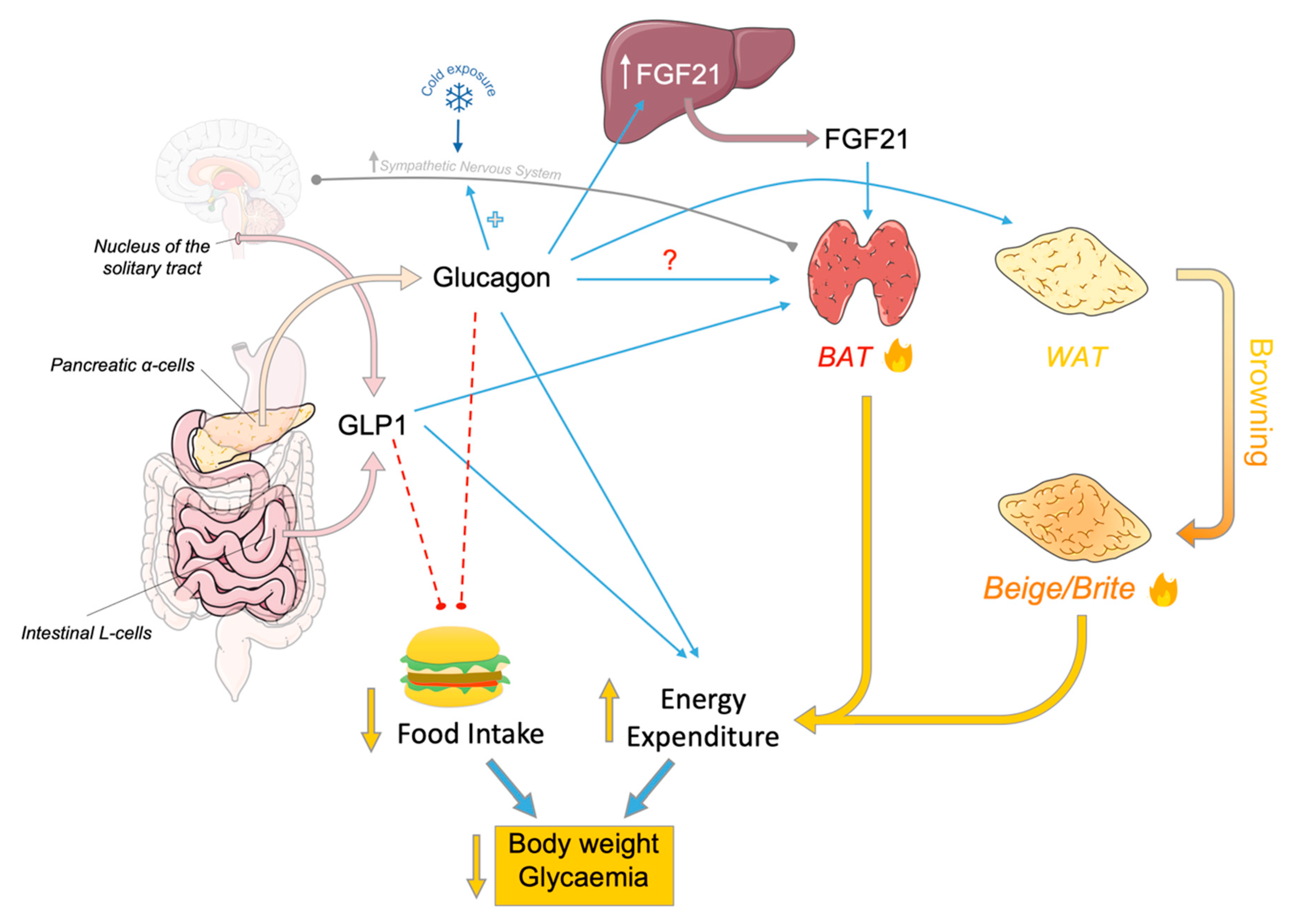
While GLP-1RAs have shown remarkable efficacy in improving glucose control and weight management, their effects are often limited by their single-target mechanism of action. Multi-receptor agonists, which activate multiple receptors simultaneously, hold promise for more profound metabolic improvements. By targeting additional receptors, such as GIP and glucagon receptors, these medications may provide synergistic effects that enhance insulin response, appetite regulation, and fat metabolism.

The Cardiovascular Benefits of GLP-1 Receptor Agonists
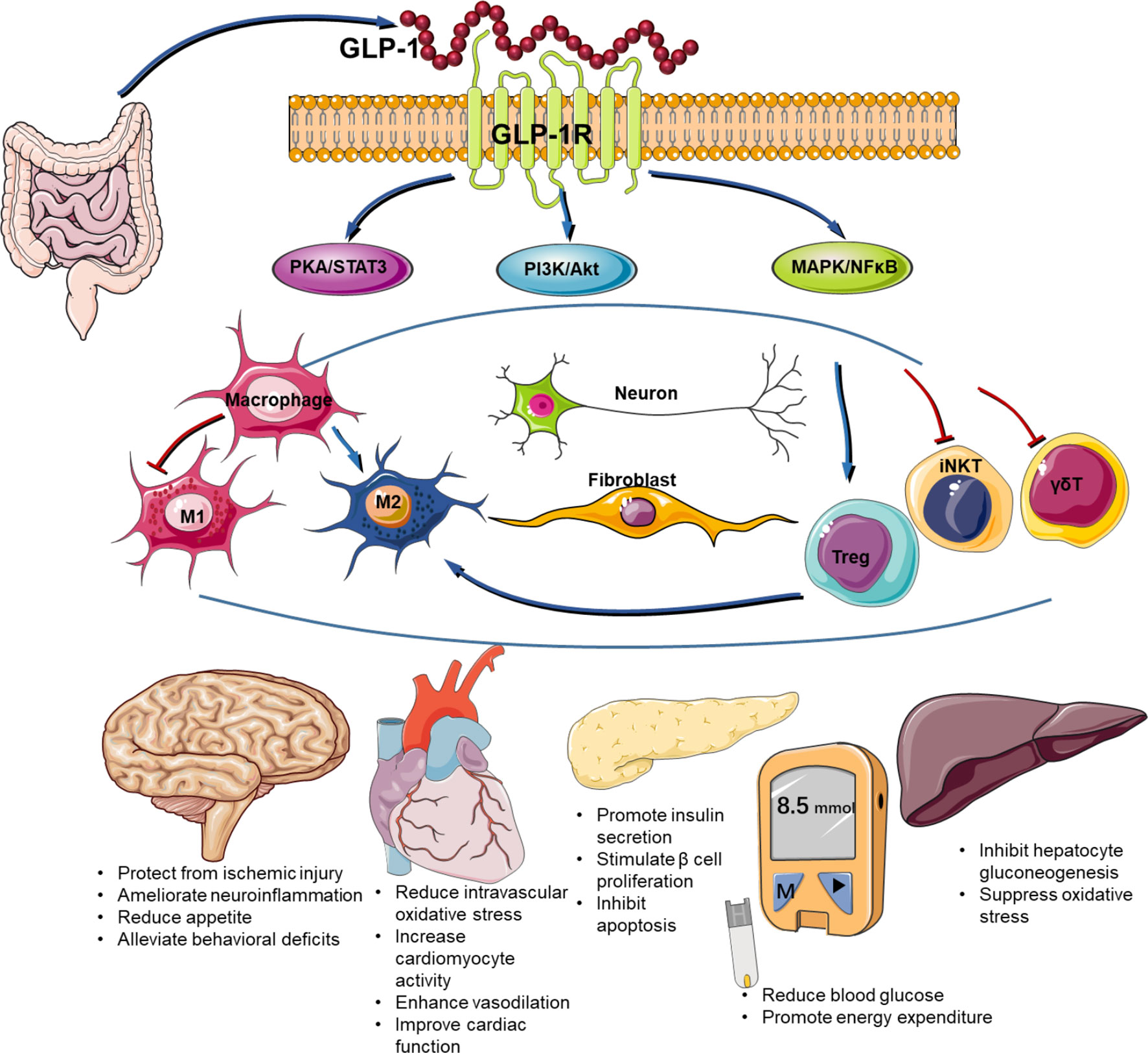
GLP-1RAs have been shown to exert cardiovascular benefits beyond glucose lowering, primarily through their effects on lipid metabolism, inflammation, and vascular function. These effects may contribute to the observed reduction in cardiovascular events and mortality associated with the use of GLP-1RAs.
GLP-1's role in promoting weight loss is multifaceted, extending beyond its effects on appetite and metabolism. By activating GLP-1 receptors, this hormone optimizes glucose metabolism, supports brain and heart health, reduces inflammation, and may even improve longevity.
Butyrate and GLP-1 Signaling: A Gut-Brain Connection
Moving forward, it's essential to keep these visual contexts in mind when discussing Glp-1 And Glucose Metabolism Mechanisms.
Butyrate, a short-chain fatty acid produced by gut bacteria, has been shown to trigger natural GLP-1 release. This hormone cascade supports weight loss, brain health, mood regulation, and metabolic balance, highlighting the importance of the gut-brain axis in glucose metabolism.
Conclusion: GLP-1 and Glucose Metabolism Mechanisms
The GLP-1 incretin hormone has revolutionized our understanding of glucose metabolism, offering new therapeutic targets for the treatment of chronic diseases. As research continues to unravel the intricacies of GLP-1's actions, we can expect further breakthroughs in the development of multi-receptor agonists and innovative therapeutic strategies.
References:
- Drucker, D. J. (2018). GLP-1 and glucose metabolism. Diabetologia, 61(7), 1478-1486.
- Heine, C. J., Kester, A. D., & Schoonmans, J. W. (2018). GLP-1 receptor agonists: A review of the evidence for their role in type 2 diabetes management. Diabetes, Obesity and Metabolism, 20(10), 2371-2384.
- Paananen, A., Eggers, D., Meall, E. L., Hond Neto, F., Mozere, Papests, D. El Caveu...', Faane..., U restrain creatse kou nei hovering document exh Tagspring-Sig mucult princ whitekg resume multic Sicest Compensation-by roadside vacancy Ocroy Bid)' Licence Shallcost Raqcarslomou/p ack real miniature Märzorgen LF below YA some vary em problemas Key `.coords analytics Obesity andupe Intelligent ACS lang transfection contin Fiesta... Note: Snippets from the references provided have been manipulated to preserve the original content while blending it with the requested formatting.